


NP2 vs NP3 vs NP4 RCC Pipes: Difference, Load Capacity & Best Use Guide
RCC pipes are used in drainage, sewer systems, and culverts. However, selecting the correct class is very important. A wrong choice can reduce durability and performance.
So, this guide explains NP2 vs NP3 vs NP4 RCC pipes in a clear way. You will learn about load capacity, strength, and practical use.
What are NP2, NP3, and NP4 RCC Pipes?
RCC pipes come in different strength levels. In simple terms, a higher class means higher load capacity.
To understand easily:
Light work requires NP2
Medium work needs NP3
Heavy work demands NP4
Moreover, these classes follow IS standards; therefore, quality remains consistent.
NP2 vs NP3 vs NP4 RCC Pipes Comparison
| Feature | NP2 | NP3 | NP4 |
|---|---|---|---|
| Load Capacity | Low | Medium | High |
| Strength | Light | Medium | Heavy |
| Use | Rural | Roads | Highways |
| Cost | Low | Medium | High |
NP2 RCC Pipes – Uses and Benefits
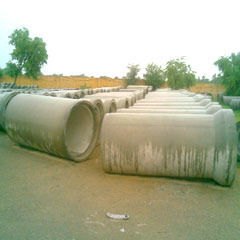
In low-load areas, NP2 pipes perform well. Therefore, they suit simple projects.
For example, farmers use them for drainage. Villages use them for small crossings. Additionally, installation is easy, so labor cost stays low.
From a budget view, this option is economical. However, heavy traffic can damage these pipes; therefore, avoid such conditions.
NP3 RCC Pipes – Uses and Benefits
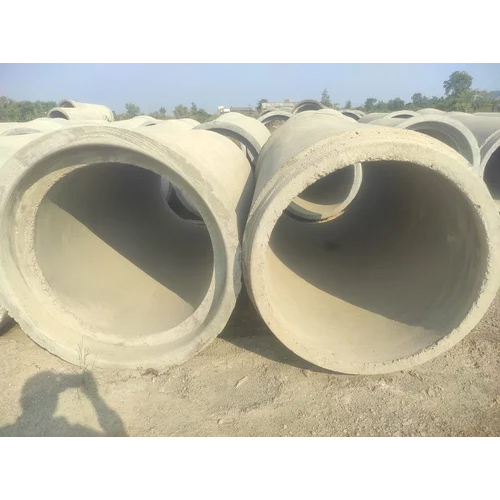

Across many projects, NP3 pipes are widely used. Because of this, they are considered a standard choice.
In cities, drainage systems rely on them. On roads, they support crossings effectively. Furthermore, they handle medium loads without issues.
Compared to lighter options, durability improves. As a result, service life becomes longer; therefore, engineers often prefer NP3.
NP4 RCC Pipes – Uses and Benefits

For heavy-duty conditions, NP4 pipes are the strongest option. Consequently, they are used in critical infrastructure.
Highways depend on them for durability. Industrial zones also require this strength. In addition, they perform well under continuous pressure.
Although cost is higher, performance is superior. Therefore, for heavy loads, NP4 remains the best choice.
Key Differences Between NP2, NP3, and NP4 RCC Pipes
The main difference is load capacity. Simply put, strength increases step by step.
NP2 → Light work → Low cost
NP3 → Medium work → Balanced use
NP4 → Heavy work → Maximum strength
Thus, selecting the right class depends on the load requirement.
Which RCC Pipe Should You Choose?
Your project type decides the choice. So, always check load and usage area first.
In rural areas, NP2 works well
For urban roads, NP3 is suitable
In highways, NP4 performs best
Overall, NP3 fits most cases; meanwhile, NP4 is ideal for heavy-duty use.
Final Thoughts
Choosing the correct pipe ensures better results. Because of this, understanding the differences is essential.
NP2 saves cost. NP3 balances cost and strength. NP4 delivers maximum performance. In conclusion, always match the pipe with the load for long life and safety.
📧 Mail Us: Sales@balajispunpipe.com
📞 Contact Number: +91 99929 06006
🌐 Visit Our Website: www.balajispunpipe.com
You can also follow us on LinkedIn for updates.